

Behaviour & Reactivity
Dog Behaviour Assessment
When your dog is barking, lunging, growling, guarding, reacting on leash, or showing behaviour that feels unsafe or difficult to understand, the first step is getting the full picture.
Captain K9’s dog behaviour assessment helps us understand your dog’s triggers, history, home life, training background, safety concerns, and goals before recommending the most appropriate next step.
Leash reactivity
Guarding
Barking or lunging
Bite history
Who It Helps
A Dog Behaviour Assessment for Reactivity, Aggression and Safety Concerns
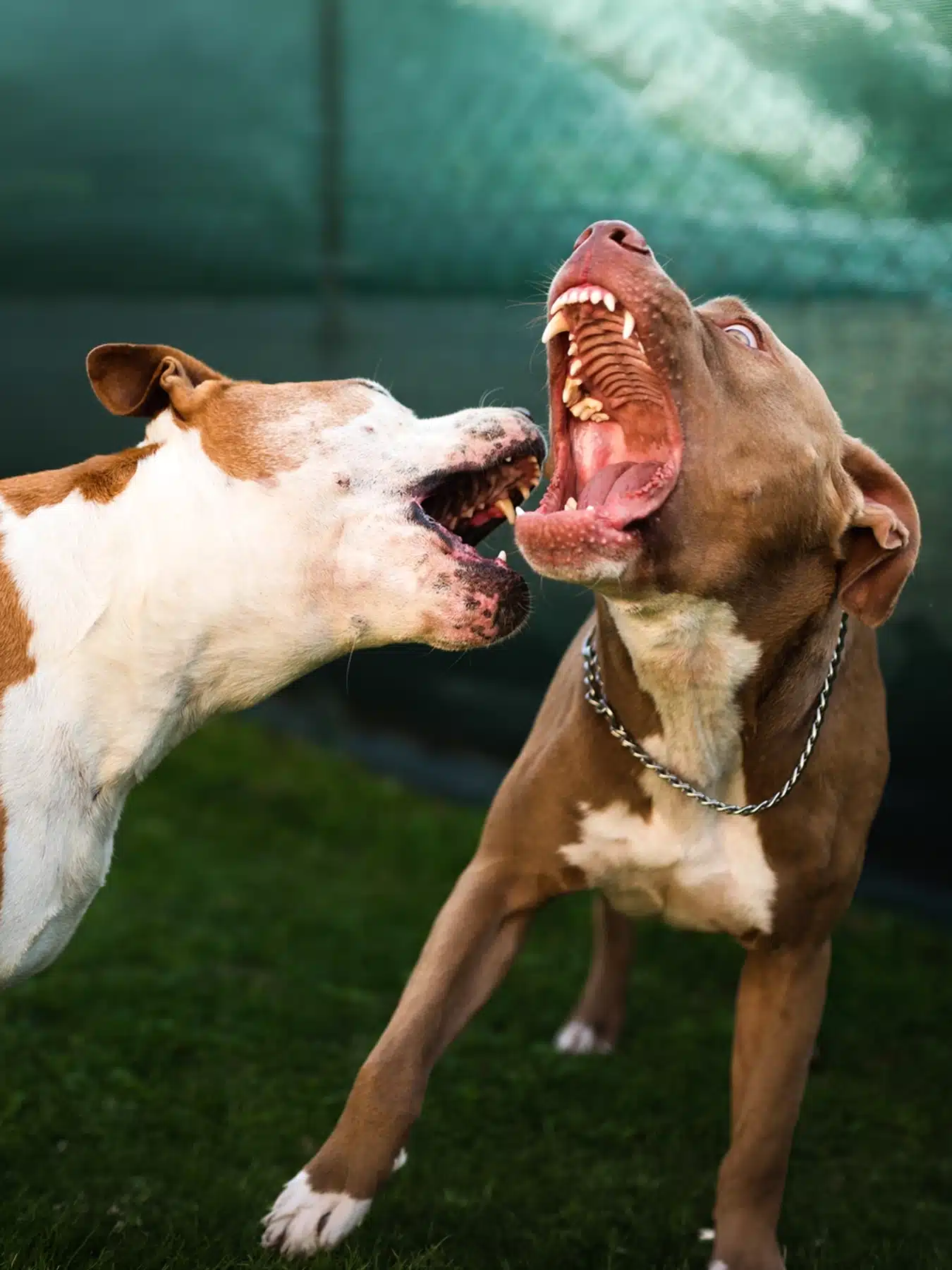
This assessment is for owners dealing with behaviour concerns that feel stressful, confusing, escalating, or unsafe. It can help if your dog reacts around other dogs or people, struggles with leash reactivity, shows fear or avoidance, guards food or objects, has dog-to-dog conflict, or has a bite or aggression history.
A dog reactivity assessment or dog aggression assessment does not label your dog or assume the cause of the behaviour. It gives Captain K9 the context needed to understand what is happening and whether reactive dog training may be appropriate.
What Happens Next
How the Assessment Process Works
01
Complete the Assessment
Tell us what you are seeing, when it happens, what has changed, and what you want life with your dog to look like.
02
Captain K9 Reviews Your Answers
Kevin reviews your dog’s behaviour history, triggers, training background, daily routine, and safety information.
03
We Recommend the Next Step
Captain K9 follows up with the most appropriate recommendation based on your dog’s needs and your household’s goals.
A Quick Safety and Veterinary Note
This assessment is intended to help Captain K9 understand training and behaviour concerns. It is not a veterinary diagnosis, and it is not an emergency service. For urgent medical concerns, contact a veterinarian. For an immediate safety emergency, use appropriate local emergency resources.
For urgent medical concerns, contact your veterinarian or consult a trusted veterinary resource such as the Ontario Veterinary Medical Association.
Start Here
Tell Us About Your Dog
Complete the assessment below as accurately as possible. The more context Captain K9 has, the better we can understand the behaviour and determine an appropriate next step.
Captain K9
Reactivity & Aggression Assessment
Tell Captain K9 about your dog, their reactivity or aggression history, and your training goals.
Step 1 of 2
Dog & Owner Information
For example: insecure, reserved, confident, dominant.
0 = no interest in food rewards; 10 = extremely food-driven.
Review Your Assessment
Please review your answers before submitting your Reactivity & Aggression Assessment.
You can return to any section to make changes. Your answers will remain saved while you move between sections.
Captain K9 has received your Reactivity & Aggression Assessment.
Your answers will be reviewed before the next step is recommended.
Assessment Reference
Keep this reference if you need to contact Captain K9 about your assessment.
What Happens Next?
Captain K9 will review the information you provided to better understand your dog's behaviour, history and training needs.
After reviewing your assessment, Captain K9 may contact you to discuss the appropriate next step.
Completing this assessment does not guarantee acceptance into a particular training program or a specific training outcome.