raw dog food

What Goes Into a Balanced Raw Dog Food Diet?

Table of Contents

Introduction

Switching to raw dog food is one of the best things you can do for your pet’s long-term health—but it’s important to get the balance right. A raw diet isn’t just tossing your dog a piece of meat; it’s about creating a species-appropriate meal that provides all the nutrients dogs need to thrive.

In this guide, we’ll walk you through the essential components of a complete and balanced raw dog food diet.

Why Balance Matters in Raw Feeding

Dogs are omnivores with a carnivore bias. That means while they can eat a variety of foods, their bodies thrive on a diet that mimics what they would eat in the wild: raw meat, bones, organs, and small amounts of plant matter. An unbalanced raw diet can lead to nutritional deficiencies or excesses over time, which may impact your dog’s health.

The Core Components of a Balanced Raw Diet

Most raw feeders follow the 80/10/10 rule or some variation of it:

  • 80% Muscle Meat
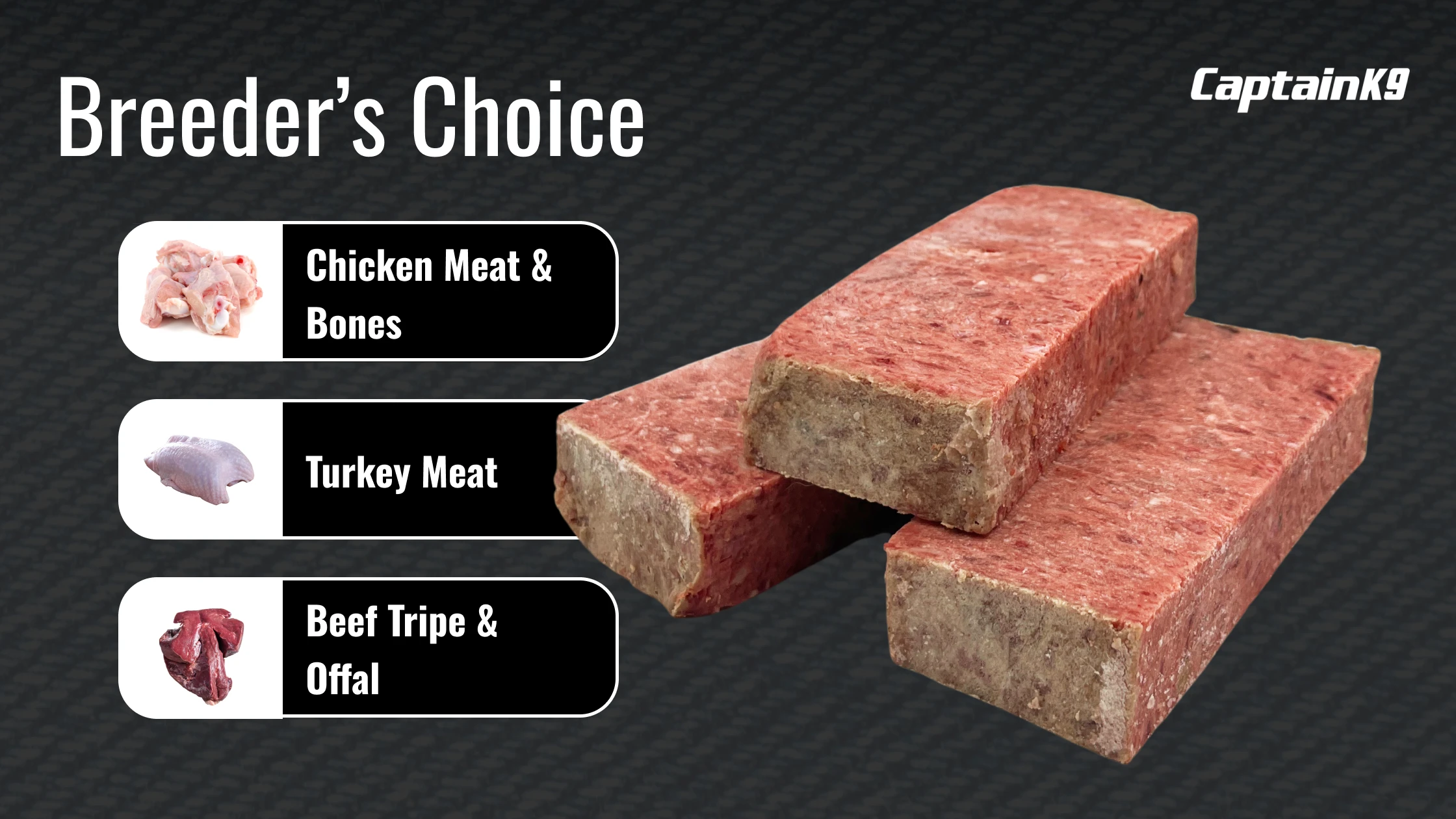
    The base of every meal. This includes cuts like chicken breast, beef chunks, turkey thigh, or lamb.
  • 10% Raw Edible Bone
    Bones provide calcium and phosphorus, essential for healthy teeth, bones, and nerve function. Use soft, meaty bones like chicken wings, necks, or duck frames.
  • 10% Organs (Liver + Other Secreting Organs)
    Organs are nature’s multivitamin. Liver should make up about 5%, while the remaining 5% can come from kidney, spleen, pancreas, or brain.

Additional Recommended Additions

While the 80/10/10 model is a great base, adding variety and micronutrients can elevate your dog’s health even further.

  • Fish or Fish Oil (1–2x/week): Adds essential Omega-3 fatty acids
  • Eggs: Source of complete protein and biotin
  • Pumpkin or Fermented Veggies: Supports gut health and digestion
  • Bone Broth: Rich in collagen, glucosamine, and hydration

What to Avoid in a Raw Diet

  • Cooked bones – They splinter easily and can cause blockages or injury.
  • Too much liver – Can lead to Vitamin A toxicity if overfed.
  • Unbalanced meals over time – Occasional imbalance is okay, but aim for balance across the week.
  • Raw food left out too long – Always follow safe storage and handling guidelines.


Final Tips for a Balanced Raw Diet

  • Rotate proteins – Don’t feed just chicken every day. Include beef, lamb, duck, fish, etc.
  • Feed raw meaty bones suitable for your dog’s size
  • Include secreting organs every week
  • Use a feeding calculator to ensure correct portions
  • Monitor your dog’s weight, coat, and energy—adjust as needed

Disclaimer: This article is intended for informational purposes only. Please consult with your veterinarian before making any major changes to your dog’s diet, especially if they have existing health conditions.

CaptainK9_logo

Ultimately, choosing the right diet for your dog is a personal decision, but understanding the benefits of raw feeding can help you make an informed choice. A balanced raw diet can enhance your dog’s health, longevity, and overall quality of life, making it an option worth exploring.

Related Products