

Why Raw Dog Food is Optimal Choice for Your Dog’s Health

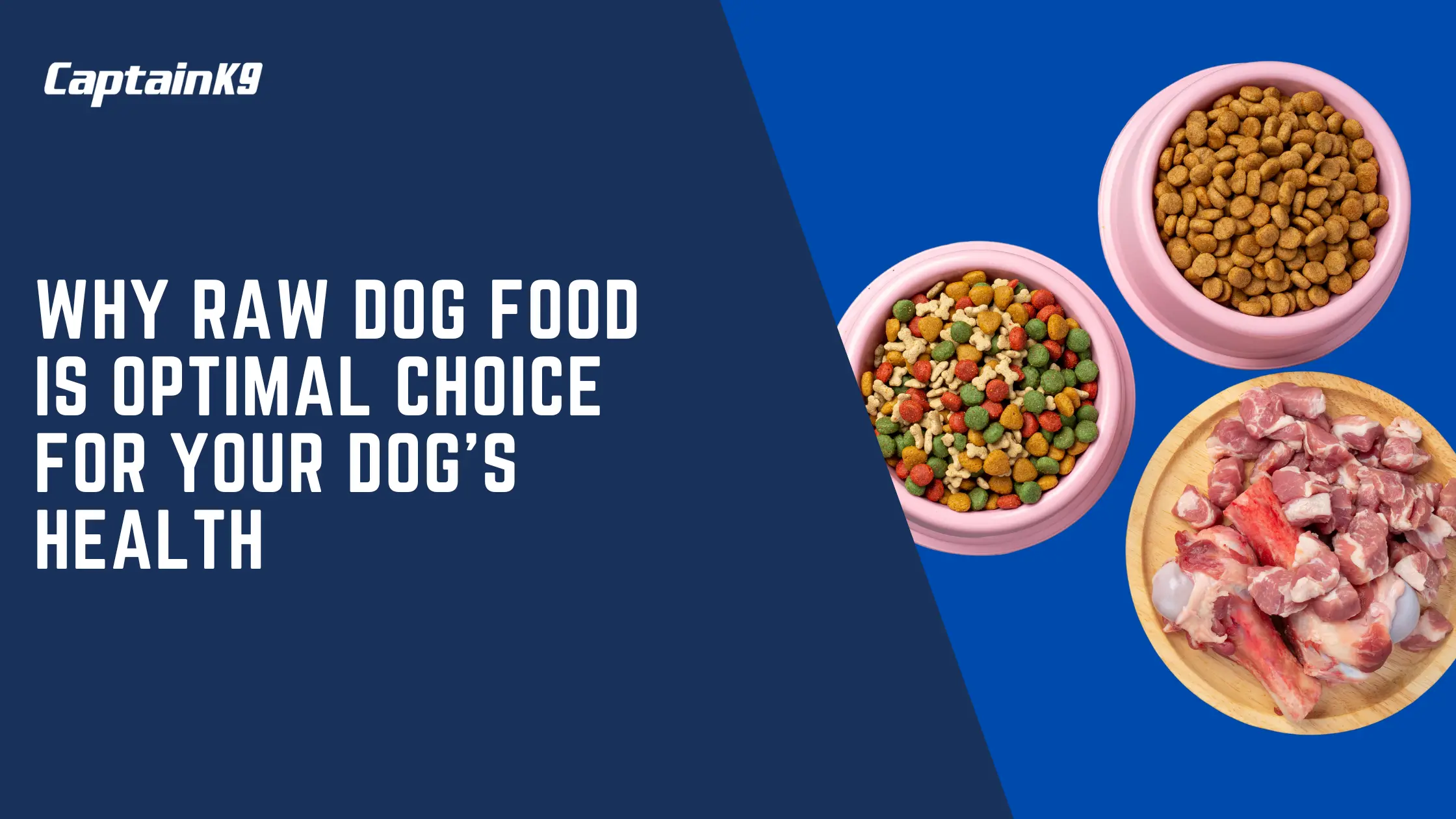
Introduction: The Rise of Raw Feeding – What’s Behind the Trend?
Over the past decade, more dog owners have been making a significant shift in how they feed their furry companions. Once a niche movement, raw feeding has become increasingly mainstream as pet owners search for healthier and more natural diets. But why are so many people moving away from traditional kibble and canned dog foods?
The answer lies in understanding what a raw diet can offer that conventional pet food cannot. From improved digestion to enhanced coat health, raw dog food addresses many health concerns that kibble often fails to manage. But there’s more to this trend than anecdotal success stories. Science and research are backing up what raw feeders have observed for years — dogs are thriving on raw diets.
This guide explores the science, benefits, and practical considerations of feeding your dog a raw diet, so you can make an informed decision for your pet’s long-term health.
The Science Behind a Raw Diet: What Do Dogs Really Need?
Dogs, much like their wild ancestors, the wolves, are carnivorous by nature. Though domestic dogs have evolved to be more adaptable to a wider variety of foods, their bodies are still optimized for a high-protein, low-carbohydrate diet. This is where the idea of raw feeding stems from — a return to the natural diet dogs were built to consume.
Biologically Appropriate Diet
A raw diet aims to replicate what dogs would eat in the wild, focusing on muscle meat, organ meat, bones, and some plant matter. Compared to processed dog food, raw feeding minimizes carbohydrates, fillers, and artificial ingredients. Dogs digest and utilize proteins and fats more efficiently than starches and grains, making a raw diet a more suitable option for their nutritional needs.
Nutritional Breakdown of Raw Food
A raw dog food diet provides balanced nutrition that closely resembles what dogs would eat in the wild. The key components of a raw meal—muscle meat, organ meat, bones, and, occasionally, small amounts of plant matter—work together to provide a wide range of nutrients necessary for a dog’s optimal health. Here’s a closer look at the breakdown:
1. Protein: The Building Block of Canine Health
Protein is the most crucial nutrient in a dog’s diet, supporting growth, muscle development, immune function, and cellular repair. Raw diets often have protein content that exceeds 50% on a dry matter basis, compared to around 20-30% in traditional kibble. High-quality animal proteins in raw food contain all essential amino acids, ensuring complete nutrition.
- What It Does: Aids in muscle growth, tissue repair, enzyme production, and hormonal balance.
- Sources in Raw Food: Chicken, beef, turkey, lamb, fish, and other animal meats.
- Why It’s Important: Dogs are biologically designed to digest and utilize animal proteins more efficiently than plant-based proteins found in kibble.
2. Fats: Providing Energy and Supporting Cell Function
Fats are a dense energy source, providing twice as many calories per gram compared to protein and carbohydrates. They also play a critical role in maintaining healthy skin and coat, supporting brain function, and promoting nutrient absorption.
- What It Does: Supplies energy, aids in the absorption of fat-soluble vitamins (A, D, E, and K), and supports cell structure.
- Sources in Raw Food: Fatty cuts of meat, fish oil, and animal fat.
- Why It’s Important: Proper fat levels are essential for sustained energy and healthy skin. A deficiency can result in dry, flaky skin and a lackluster coat.
3. Calcium and Phosphorus: Essential for Strong Bones and Teeth
Calcium and phosphorus are two of the most important minerals in a dog’s diet. They work together to support skeletal health, muscle contraction, and proper nervous system function.
- What They Do: Build strong bones and teeth, aid in muscle contraction, and ensure proper blood clotting.
- Sources in Raw Food: Raw meaty bones (e.g., chicken wings, turkey necks) and ground bone meal.
- Why They’re Important: An imbalance in calcium and phosphorus can lead to skeletal issues, particularly in growing puppies or senior dogs.
4. Vitamins and Minerals: Supporting Overall Health
Raw diets naturally include a variety of vitamins and minerals, especially when organ meats and vegetables are included. For example:
- Vitamin A: From liver and eggs, essential for vision and immune health.
- Vitamin D: Regulates calcium and phosphorus balance, crucial for bone health.
- Zinc and Copper: Support skin health, immune function, and metabolism.
5. Enzymes and Probiotics: Enhancing Digestion and Immunity
Fresh raw foods contain natural digestive enzymes and probiotics that are often destroyed during the processing of kibble. These enzymes help break down food, making it easier for dogs to digest and absorb nutrients.
- What They Do: Aid digestion, support gut health, and boost immunity.
- Sources in Raw Food: Green tripe, organ meats, and raw vegetables.
- Why They’re Important: Healthy gut flora leads to better digestion, nutrient absorption, and a stronger immune system.
Key Health Benefits of Feeding Raw Dog Food
- Improved Digestion and Nutrient Absorption
Dogs fed on raw diets typically have smaller, firmer stools, indicating better digestion and nutrient absorption. The higher protein content and absence of fillers reduce the waste products their bodies have to process. - Healthy Coat and Skin
Many dog owners report shinier coats and reduced skin problems after switching to raw. The essential fatty acids and lack of grain-related allergens play a significant role in maintaining skin health. - Cleaner Teeth and Fresher Breath
Raw meaty bones help clean teeth naturally. The chewing action removes tartar and promotes oral health, which is a stark contrast to kibble, which often sticks to teeth and contributes to plaque buildup. - Increased Energy Levels and Better Weight Management
With a balanced raw diet, dogs are more energetic, leaner, and less prone to obesity. This is due to the high-quality protein and the absence of high-glycemic fillers like corn or wheat. - Strengthened Immune System
The natural antioxidants and enzymes found in raw food boost the immune system, making dogs more resilient to diseases and infections.
Comparing Raw Food to Traditional Kibble and Canned Foods
While kibble and canned foods dominate the pet food market, they come with a host of issues that a raw diet can address. Here’s a quick comparison:
|
Factor |
Raw Food |
Kibble/Canned Food |
|---|---|---|
|
Nutritional Density |
Minimally processed; retains nutrients. |
Highly processed; nutrients often lost and added back synthetically. |
|
Protein Quality |
Whole meats and organs; high-quality protein. |
Uses by-products and plant proteins; lower digestibility. |
|
Additives & Preservatives |
Free of artificial additives. |
Often contains artificial preservatives (e.g., BHA, BHT). |
|
Digestibility |
Easier to digest; firmer, smaller stools. |
More fillers; larger stools and digestive issues. |
|
Ingredient Transparency |
Clearly labeled whole ingredients. |
Vague terms like “meat meal” or “by-product.” |
1. Nutritional Density and Bioavailability
- Raw Food: Contains minimally processed ingredients that retain their full nutrient profile. The nutrients in raw food are more bioavailable, meaning dogs can digest and absorb them more efficiently.
- Kibble/Canned Food: Highly processed, often cooked at high temperatures, which depletes vitamins, minerals, and enzymes. To make up for this, synthetic vitamins and minerals are added back, but these are often less effective.
2. Protein Quality and Sources
- Raw Food: Uses whole muscle meats and organs, which are rich in high-quality, species-appropriate protein.
- Kibble/Canned Food: Often relies on meat by-products, rendered meals, and plant proteins (e.g., soy, corn gluten), which are harder for dogs to digest.
3. Additives and Preservatives
- Raw Food: Free of artificial preservatives, flavors, and colorants.
- Kibble/Canned Food: Commonly contains artificial additives to extend shelf life and enhance palatability. Many commercial brands use BHA and BHT, which have been linked to health concerns.
4. Digestibility and Health Impact
- Raw Food: Easier to digest, resulting in firmer, smaller stools. Less filler means the dog’s body is using more of the food’s nutrients.
- Kibble/Canned Food: High amounts of indigestible fillers can lead to larger stools and potential digestive issues like bloating or gas.
5. Ingredient Transparency
- Raw Food: Clearly lists whole ingredients (e.g., “beef liver, chicken thigh”), making it easy for owners to understand what their pet is consuming.
- Kibble/Canned Food: Often uses vague terms like “meat meal” or “animal by-product,” which can include lower-quality, less desirable parts of animals.
Understanding the Ingredients: What Goes Into a Raw Diet?
A high-quality raw diet typically includes a balanced mix of muscle meat, organ meat, raw bones, and some plant matter. Each ingredient serves a specific purpose in providing your dog with the nutrients they need. Let’s explore the core components:
- Muscle Meat: The foundation of a raw diet, supplying high-quality protein for energy and muscle development.
- Organ Meat: Provides essential vitamins and minerals. Liver, kidney, and heart are particularly rich in nutrients.
- Raw Meaty Bones: Offer calcium and phosphorus, promoting strong bones and dental health.
- Vegetables and Fruits: While optional, small amounts of low-glycemic vegetables and fruits can offer additional fiber and antioxidants.
By focusing on these natural, whole ingredients, a raw diet can deliver balanced nutrition without the need for synthetic supplements.
Exploring Common Ingredients: Chicken, Beef, Turkey, Quail, and More
Different proteins offer unique benefits and nutrients, and variety is key to ensuring a balanced raw diet. Here’s an overview of some commonly used ingredients:
- Chicken: Lean and affordable, chicken is an excellent protein source rich in B vitamins. It’s also easy to digest, making it a great choice for dogs transitioning to raw.
- Beef: Higher in fat and packed with iron, zinc, and Vitamin B12. Beef is ideal for dogs needing extra calories or muscle maintenance.
- Turkey: A lean, white meat option that’s rich in selenium and tryptophan, supporting immune function and calming the nervous system.
- Quail: A novel protein that is hypoallergenic for many dogs. Quail is rich in iron and has a unique nutrient profile compared to other poultry.
- Lamb: Offers a richer flavor and higher fat content. Lamb is often used for dogs with food sensitivities as it’s less common in kibble.
- Fish (e.g., Salmon, Sardines): High in omega-3 fatty acids, supporting heart, skin, and joint health.
Debunking Common Myths and Concerns About Raw Feeding
- Myth 1: Raw Food is Unsafe Due to Bacteria
It’s true that raw food can carry bacteria, but healthy dogs have strong stomach acids that can neutralize many pathogens. Proper handling, safe sourcing, and freezing methods minimize risks. - Myth 2: Raw Bones are Dangerous
Cooked bones can splinter and cause harm, but raw bones are more pliable and less likely to cause issues. Always supervise dogs when feeding bones and choose appropriate sizes. - Myth 3: Raw Feeding is Too Expensive
While raw feeding can be more costly than low-end kibble, it is comparable to high-quality commercial dog foods. Many owners find the long-term health benefits (and reduced vet bills) make it worth the investment.
Transitioning to a Raw Diet: A Step-by-Step Guide for Pet Owners
Switching to a raw diet can be done smoothly if approached gradually. Here’s a step-by-step plan:
- Start with One Protein Source: Choose a simple, easily digestible protein like chicken.
- Introduce in Small Amounts: Begin by mixing 25% raw with 75% of your dog’s current food for the first 3-5 days.
- Monitor Digestive Response: Watch for changes in stool consistency, energy levels, and overall health.
- Increase Raw Food Gradually: Move to a 50/50 ratio in week 2, then 75% raw in week 3.
- Complete the Transition: By week 4, your dog should be on 100% raw food.
Monitor your dog’s stool and energy levels throughout the process. If you notice loose stools or digestive discomfort, slow down the transition.
How to Determine if Raw Feeding is Right for Your Dog
Consider the following before making the switch:
- Age: Puppies and senior dogs may need tailored raw diets.
- Health Conditions: Consult a vet if your dog has kidney issues or other chronic diseases.
- Activity Level: Active dogs may require higher protein and fat content.
Frequently Asked Questions About Raw Feeding
Feed approximately 2-3% of your dog’s ideal body weight per day. Adjust based on activity level and age.
You can mix raw and kibble, but it’s generally disputable. Some think they digest at different rates, which might cause digestive upset in some dogs. However, if you want to try, consider starting slowly and see how your dog responds.
An alternative is to feed raw in one meal and kibble in another to avoid potential issues. But every dog is different, so it’s always a good idea to monitor and adjust as needed.
Yes, but puppies need a balanced diet with appropriate calcium-to-phosphorus ratios. Consult with a vet or canine nutritionist.
Try lightly searing the meat or mixing in small amounts of broth to increase palatability.
Store in a freezer and thaw in the refrigerator before feeding. Follow safe handling practices to prevent cross-contamination.
Look for improved coat health, better digestion, increased energy, and healthier weight.
As more pet owners seek natural solutions for their dogs’ health, the raw feeding movement is likely to continue growing. With mounting evidence supporting the benefits of raw diets, it’s clear that this approach to feeding is more than just a trend — it’s a return to what dogs were always meant to eat.
Ultimately, choosing the right diet for your dog is a personal decision, but understanding the benefits of raw feeding can help you make an informed choice. A balanced raw diet can enhance your dog’s health, longevity, and overall quality of life, making it an option worth exploring.